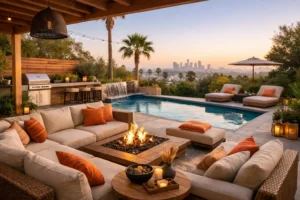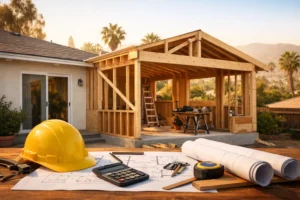
A backyard in Los Angeles can be many things at once – a dinner space, a play area, a quiet morning retreat, and an extension of the house that finally gets used year-round. That is why an outdoor living remodel Los Angeles homeowners invest in should never start with furniture or finishes. It should start with how you actually want to live outside.
Some families want a covered patio that makes summer afternoons more comfortable. Others want an outdoor kitchen for hosting, a fire feature for cooler evenings, or better lighting and hardscaping that make the yard feel finished instead of forgotten. The best remodel is not the one with the most features. It is the one that fits the property, the neighborhood, and your daily routine.
What makes an outdoor living remodel in Los Angeles different
Outdoor remodeling in this area comes with real advantages, but also a few design pressures that matter early. The climate gives homeowners more usable outdoor days than most parts of the country, so the return on a well-planned yard is not just visual. It changes how the home functions. Meals move outside. Guests spread out more comfortably. Kids and pets have a safer, more usable place to spend time.
At the same time, Los Angeles properties vary widely. A compact West Hollywood lot needs a different plan than a larger backyard in Pasadena. Coastal areas may call for materials that hold up better to moisture and salt air. Hillside properties often need more attention to drainage, access, grading, and retaining walls. Privacy also matters more in denser neighborhoods, where neighboring windows and close lot lines can affect how open or exposed a yard feels.
That is why a good remodel is part design project and part planning exercise. It needs to look right, but it also needs to solve problems.
Start with zones, not features
One of the biggest mistakes homeowners make is choosing standout elements before defining the layout. A built-in grill, pergola, or modern paver patio can all be great additions, but they work best when each one supports a larger plan.
Think in zones. Where will people eat? Where will they gather at night? Do children need open space to move around? Will the yard need a quiet area away from the main entertaining space? When the layout is clear first, the final design tends to feel cleaner and more natural.
A practical outdoor living remodel Los Angeles families can enjoy year-round often includes a few core zones: a dining area close to the house, a lounge area with shade, and a circulation path that does not cut awkwardly through the middle of everything. If the property allows for it, adding a secondary seating area can make the yard feel more complete without making it feel crowded.
Shade is not optional
In Southern California, shade is one of the most valuable upgrades you can build into an outdoor space. Without it, even a beautiful patio can sit empty during the hottest part of the day. This is where design choices need to balance budget, style, and performance.
A pergola can define space and add architectural interest, but it may not provide enough protection on its own. A solid patio cover offers stronger relief from sun and light rain, though it can feel heavier visually if not designed carefully. Retractable shade systems give flexibility, but they also add cost and ongoing maintenance considerations.
The right answer depends on the orientation of the yard, nearby trees, the amount of direct sun, and how often the space will be used during midday hours. A contractor who handles design and construction together can help homeowners avoid overbuilding one area while leaving another too exposed.
Choose materials that hold up and still feel current
Outdoor materials have to work harder than indoor finishes. They deal with heat, sunlight, moisture, foot traffic, and constant exposure. That means selection should go beyond appearance.
Porcelain pavers are popular for a reason. They offer a clean look, resist staining well, and work in many modern and transitional designs. Natural stone can be beautiful, but it may require more maintenance and a higher budget. Concrete remains a strong option when detailed properly, especially for homeowners who want durability and a simpler visual style.
For cabinetry, counters, and built-in kitchens, exterior-rated materials matter. What works in an indoor remodel does not always belong outside. Wood elements can add warmth, but they need the right finish and maintenance plan. Metal components should be chosen with local conditions in mind, especially in coastal communities.
A good rule is simple: pick materials that can age well. Outdoor spaces rarely stay perfect, so the goal is not just a polished reveal. It is a yard that still looks good after seasons of sun, use, and weather.
Lighting changes how the space feels at night
Many homeowners focus heavily on daytime appearance, then realize later that the yard disappears after sunset. That is a missed opportunity, especially in a region where evenings are often the best time to be outside.
Good lighting is not about flooding the yard with brightness. It is about creating comfort and visibility where it matters. Path lights improve safety. Step lights reduce trip hazards. Overhead lighting can make a dining or lounge area usable after dark. Accent lighting on landscape features or walls can make the whole space feel more finished.
This is also where planning early pays off. Electrical work is much easier to coordinate before hardscaping, built-ins, and planting are complete. Waiting until the end often limits what can be added cleanly.
Outdoor kitchens and fire features need honest planning
These are two of the most requested features in backyard remodels, and both can be worth it when they match the way the homeowner entertains. But neither should be added just because they look impressive on paper.
An outdoor kitchen makes the most sense for households that cook and host regularly. If you mainly want a better place for occasional grilling, a simpler built-in setup may be enough. Once you add gas, plumbing, refrigeration, storage, and counters, the scope and cost rise quickly.
Fire features create atmosphere and extend evening use, but they also require careful placement. Clearance, ventilation, fuel source, seating layout, and code requirements all matter. A fire pit can be casual and social. An outdoor fireplace can create a stronger focal point and more privacy. The better choice depends on the size and shape of the yard.
Permits, code, and construction oversight matter more than homeowners expect
This is where many outdoor projects separate into two categories: cosmetic upgrades and true remodels. Once you start adding structures, electrical work, gas lines, drainage improvements, retaining walls, or major hardscape changes, proper planning becomes essential.
Permits may be required depending on the scope. Drainage has to be addressed correctly so water does not create future issues near the home or neighboring properties. Grading, setbacks, utility coordination, and structural details can all affect the project. These are not the exciting parts of a remodel, but they are often the parts that determine whether the finished space performs well over time.
For homeowners, the biggest advantage of working with a full-service remodeling contractor is that the process stays organized. Design, estimating, permitting, scheduling, and construction need to work together. When they do, there is less confusion, fewer delays, and a better chance of staying aligned with the original goals.
Budgeting for the right outcome
Every outdoor remodel has trade-offs. Some homeowners choose to invest more in permanent structures and simplify finishes. Others prioritize entertaining features and phase in landscaping later. There is no single correct formula.
What matters is building the budget around the elements that change daily use of the space. Better circulation, proper shade, durable surfaces, and integrated lighting often do more for long-term satisfaction than adding too many decorative features. The yard should feel complete, but it should also feel practical.
This is where clear estimates and early scope discussions matter. A realistic budget helps homeowners make stronger decisions before construction starts, not after surprises appear.
The best remodel feels connected to the house
A successful outdoor project should not feel like a separate add-on. It should feel like the home simply extends farther than it used to. That usually comes from consistent floor elevations where possible, coordinated materials, thoughtful door access, and a design style that relates to the architecture of the house.
Even simple upgrades can create that effect when they are planned well. A new patio, better lighting, and a defined covered seating area can completely change how a property lives. For some homeowners, that is more valuable than adding square footage indoors.
If you are considering a backyard upgrade, start by thinking less about trends and more about habits. The smartest outdoor spaces are the ones that make everyday life easier, more comfortable, and more enjoyable long after construction is done.