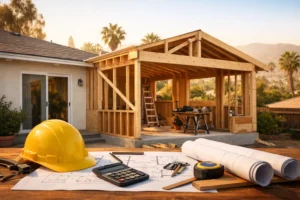
If you are asking what home renovations are worth it, the real question is usually two questions at once: what will make your home better to live in now, and what will hold up financially later. Those are not always the same thing. The best renovation choices usually sit in the overlap – projects that improve function, fix real pain points, and still make sense for your property, neighborhood, and long-term plans.
For most homeowners, the most valuable upgrades are not the flashiest ones. They are the renovations that solve everyday problems, make the home feel more current, and add usable space in a way buyers can understand immediately.
What home renovations are worth it for most homeowners?
The projects that tend to deliver the strongest overall value are kitchen remodels, bathroom updates, outdoor living improvements, room additions that feel integrated with the home, and well-planned ADUs or garage conversions where local demand supports them. But worth is not just about resale. A renovation can be worth it because it gives your family a better layout, more storage, better light, or space for work, guests, or aging parents.
A good rule is simple: the more a renovation improves daily use, the more likely it is to feel worthwhile. Buyers respond to that too. They may not know the brand of every finish, but they notice when a kitchen works better, a bathroom feels clean and current, or a once-wasted garage now has a clear purpose.
Kitchen remodels usually stay near the top
If a kitchen is dated, cramped, or poorly laid out, upgrading it is often money well spent. Kitchens carry a lot of visual weight in a home, but the real value comes from function. Better workflow, more storage, stronger lighting, durable counters, and a layout that supports everyday life matter more than chasing luxury for its own sake.
That does not mean every kitchen needs a full gut remodel. Sometimes cabinet refacing, new countertops, improved lighting, updated flooring, and smarter appliance placement can do a lot. In other homes, especially older properties with awkward floor plans, opening up the kitchen or reworking circulation creates the biggest payoff.
The trade-off is cost control. High-end appliances, custom features, and premium materials can push the budget fast. In many neighborhoods, a beautiful but sensible kitchen upgrade performs better than a highly personalized luxury statement. The goal is a kitchen that feels fresh, functional, and consistent with the home.
Bathroom renovations are often a smart investment
Bathrooms are smaller spaces, but they influence how a house feels in a big way. A worn bathroom can make an otherwise attractive home feel neglected. An updated bathroom, on the other hand, signals care and quality.
The renovations that usually make the most sense are replacing old tile, improving lighting, upgrading vanities, installing better ventilation, and modernizing tubs or showers. If the layout is inefficient, reconfiguring it may be worthwhile, especially in a primary bath. Adding a double vanity, larger shower, or more storage can improve daily life immediately.
In homes with too few bathrooms, adding one can be especially valuable. That is not always a simple project, but when it solves a genuine household need, it tends to be worth serious consideration. Function drives value here as much as finish selection.
Usable square footage can outperform cosmetic upgrades
One of the clearest answers to what home renovations are worth it is this: space that serves a real purpose usually matters. Families grow. Work-from-home needs change. Guests stay longer. Older homes often do not match how people live now.
That is why room additions, converted bonus spaces, and better space planning often have strong long-term value. A proper family room extension, an added bedroom, or a reworked primary suite can transform how a home functions. The key is making the new space feel natural, not like an afterthought.
This is where planning matters. Added square footage should match the home architecturally and make sense for the lot, the budget, and the neighborhood. In higher-value areas, expanding livable space can be especially attractive, but overbuilding for the block is still a risk. More space is not automatically better if the project compromises yard use, natural light, or flow.
ADUs and garage conversions can be worth it for the right property
In Southern California, ADUs and garage conversions have become more than a trend. For many homeowners, they are a practical way to create flexible living space, house family members, build a rental income stream, or increase long-term property utility.
These projects can be highly worthwhile, but they are also more complex than a standard interior remodel. Design, permitting, utility planning, parking considerations, and code compliance all matter. A garage conversion that is thoughtfully designed and properly permitted can add real function and appeal. A rushed conversion that feels makeshift can do the opposite.
The same goes for detached or attached ADUs. They often make sense in markets where housing demand is high and multigenerational living is common. But they require careful budgeting and a realistic view of return. Sometimes the best value is not immediate resale at all – it is flexibility over the next five to ten years.
Outdoor renovations matter more than many homeowners expect
In areas where outdoor living is part of daily life, backyard and exterior improvements can be very worthwhile. A yard that is hard to use, lacks shade, or feels unfinished leaves potential on the table. A well-designed outdoor area can effectively expand the home without adding interior square footage.
Patios, covered seating areas, outdoor kitchens, updated hardscaping, and improved landscaping can all add value when they are done in proportion to the property. Buyers respond to homes that feel ready to enjoy. So do current owners.
What matters most is usability. A backyard renovation should support how you actually live. If you entertain often, dining and lounge areas may be worth prioritizing. If you have children, open play space may matter more than built-in features. The best projects feel intentional, not overcrowded.
Renovations that improve layout are often underrated
Some of the most worthwhile projects do not show up as a single room on a checklist. They show up in how the whole house works. Removing a poorly placed wall, improving the connection between kitchen and living areas, adding storage, or reworking a hallway can make a home feel significantly better without changing its footprint.
These are the renovations homeowners tend to appreciate every day. They can also help resale because buyers feel the difference immediately, even if they cannot name every design move. Good flow, natural light, and practical storage are easy to live with and easy to value.
This is one reason design-build planning matters. A renovation should not just replace old finishes with new ones. It should ask whether the home is organized in the best way for the people using it.
What usually is not worth overdoing
Not every upgrade brings the same return. Very high-end finishes in a mid-range home can be hard to recover. Highly customized features may suit one household perfectly but limit broad appeal later. Trend-driven choices can also age faster than homeowners expect.
That does not mean you should only renovate for future buyers. You should enjoy your home. But it helps to separate personal preference from market value. If you love a bold design choice, go in with clear eyes. Some investments are for lifestyle first, resale second.
It is also wise to be careful with projects that look simple but hide expensive structural, plumbing, or permit issues. Older homes especially can reveal surprises once walls are opened. A clear scope, honest estimate, and experienced project management are part of what makes a renovation truly worth it.
How to decide what is worth it in your home
Start with the problems you feel most often. Is the kitchen too closed off? Is there not enough bathroom space for the household? Are you short on storage, privacy, or flexible living space? The best renovation priorities usually come from those daily frustrations.
Then look at your timeline. If you plan to stay for many years, comfort and function should carry more weight. If a move may happen sooner, broader appeal matters more. Budget matters too, of course, but so does execution. A well-built mid-range renovation often delivers more real value than an expensive project handled poorly.
For homeowners in Los Angeles County, local conditions can shape the answer. Lot size, permit requirements, neighborhood expectations, and demand for flexible housing all affect which projects make sense. That is one reason many homeowners prefer working with a contractor who can handle design, planning, permits, and construction as one organized process instead of leaving them to coordinate everything alone.
A renovation is worth it when it solves the right problem, fits the home, and is built to last. If you choose projects around real use instead of guesswork, you are far more likely to end up with a home that feels better now and holds its value over time.