
Here is the truth most sellers learn too late. The Los Angeles market does not reward effort. It rewards relevance. Spending money on the wrong improvements before listing is one of the most common and costly mistakes homeowners make before a sale.
Knowing which improvements actually matter is the whole game.
Buyers Look for Problems, Not Impressions
Most sellers think about pre-sale improvements from their own perspective. What would make this home more impressive? That instinct leads people in the wrong direction more often than not.
Buyers in Los Angeles walk through properties looking for problems first. Every visible issue becomes a number they subtract from your asking price before the tour ends. That outdated kitchen is a renovation budget forming in their head. The worn flooring is a negotiating point they will return to at the offer stage.
Removing those issues before listing does more for a sale than almost any new addition could. Homes without obvious problems attract stronger offers. Homes with visible deferred maintenance invite negotiation at the seller’s expense.
What Tends to Pay Back
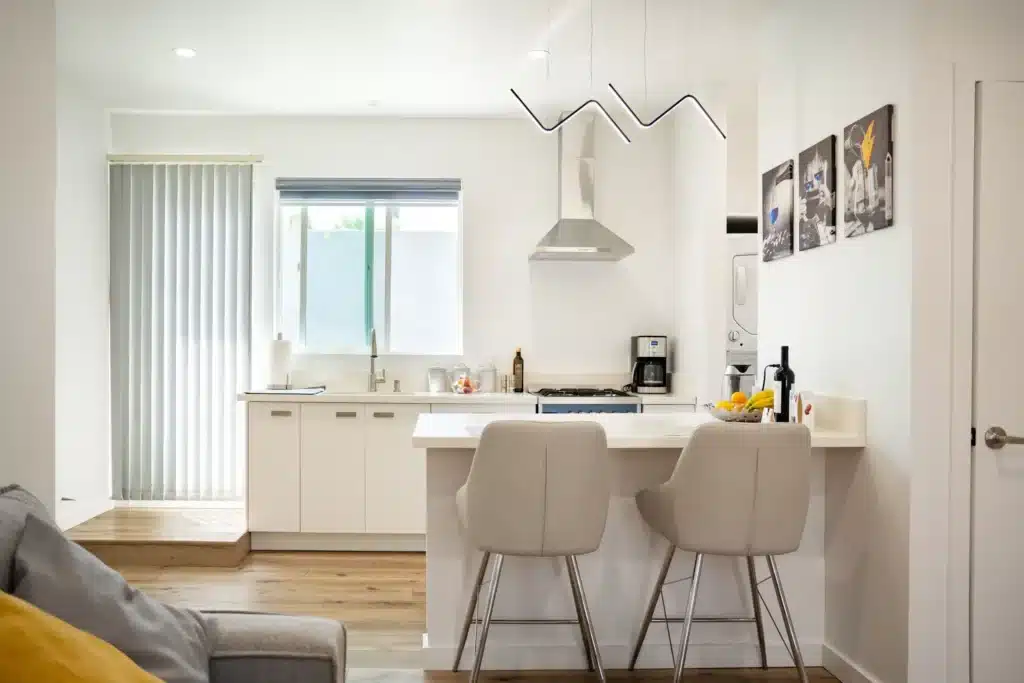
Kitchens have an outsized influence on how buyers feel about a property overall. An outdated one creates doubt that follows people through the rest of the showing. A current one keeps buyers engaged and moving forward.
Here is where sellers often get the calculation wrong. Updating is not the same as renovating. New cabinet fronts, fresh countertops, updated fixtures and hardware shift how a kitchen reads to buyers without approaching full renovation costs. Bathrooms respond the same way to focused investment in tile, vanities, and fixtures. These targeted improvements consistently outperform full renovations on a pre-sale timeline both financially and practically.
Curb appeal filters out interested buyers before they ever schedule a showing. In Los Angeles, many buyers drive past before committing to a visit. A neglected exterior makes that decision for them quietly and early. Fresh paint, clean landscaping, and an intentional front entry directly affect listing activity in ways sellers do not always see.
Fresh interior paint delivers returns that consistently surprise people. Neutral paint makes rooms feel larger, cleaner, and significantly more photogenic for listing photography. Given how much buyer interest originates from online photos today, this single improvement influences decisions at a stage most sellers never directly observe.
Flooring is something buyers notice immediately and negotiate against at the offer stage. Replacing it before listing removes that leverage from their hands entirely.
This is one of the first conversations homeowners have with us at Level Up Contractor. Working out where a pre-sale budget will actually move the needle versus where it will quietly disappear is worth doing carefully before any money gets committed.
What Rarely Works Out
Structural additions almost never return their cost before a sale. Permitting timelines alone make clean execution against a listing date genuinely difficult. Buyers also apply their own discount to recent improvements regardless of actual cost, which sellers consistently underestimate going in.
High-end finishes in neighborhoods where comparable sales do not support a premium face the same problem. Every home has a natural value ceiling in its area. Renovating above that ceiling rarely gets rewarded, no matter how well the work is done. The market sets the ceiling, not the renovation budget.
The Timing Problem Most Sellers Underestimate
Pre-sale remodeling takes longer than sellers plan for almost every time. City permitting moves on its own schedule. Quality contractors are booked well in advance. Materials carry lead times that do not bend around listing goals.
Sellers who start too late finish after their intended listing date and carry holding costs on a completed renovation while the market moves without them. Starting planning conversations earlier than feels necessary is the single most consistent piece of advice worth giving anyone considering pre-sale work.
Frequently Asked Questions
How do I figure out which updates will actually matter to buyers?
Compare your property against recent comparable sales in your neighborhood. The condition gap between your home and those comps tells you exactly where buyer attention will land and where your budget will have genuine impact.
Is a full kitchen renovation worth doing before listing?
Rarely. Buyers discount finishes they did not choose themselves more than sellers expect. Targeted updates that bring the kitchen to a clean and current standard almost always deliver better results on a pre-sale timeline.
How early should planning start?
Three to four months before the target listing date at minimum. Projects involving permits need additional lead time to avoid disrupting the listing schedule entirely.
Does fresh paint actually influence offers?
Consistently yes. It affects how a home presents in person and how it photographs for online listings simultaneously, making it one of the highest return improvements available before a sale.
What about an ADU?
An existing permitted ADU adds real value by expanding the buyer pool meaningfully. Building one specifically to sell rarely makes financial sense given permitting timelines and construction costs relative to typical sale premiums.
Ready to Figure Out What Your Home Actually Needs Before Listing?
That is exactly what we help homeowners work through at Level Up Contractor. Not a general conversation about remodeling but a specific, honest assessment of which updates will serve your sale, which ones will not, and how to execute the right work on a timeline that strengthens your listing rather than complicates it.
When you are ready to make that decision clearly and confidently, we are here.