
A lot of LA homeowners come to us with the same question: “Should I build an ADU or just convert my garage?” It sounds simple, but the honest answer is it depends on what you’re really trying to accomplish, and that’s where most people get tripped up.
Los Angeles is one of the most competitive housing markets in the country. Space is expensive, neighbours are close, and every square foot you add to your property can mean real money either in rent, resale value, or just having room for your family to breathe. Both an ADU and a garage conversion can get you there. The trick is knowing which one fits your situation, not just what’s trending.
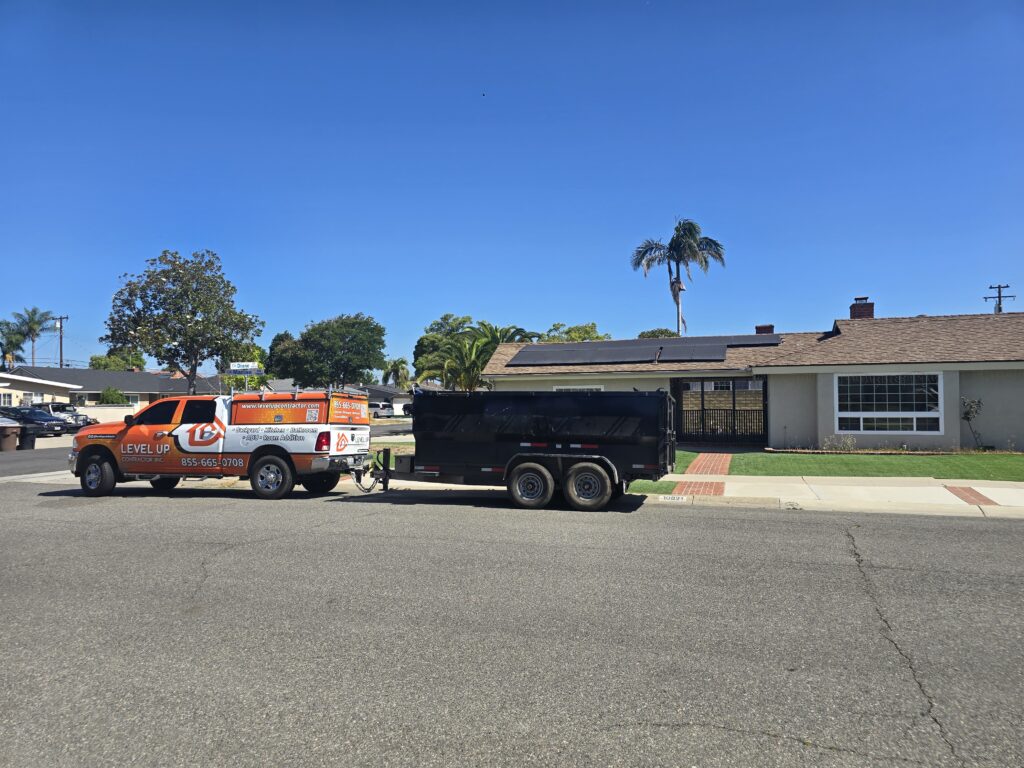
What's The Actual Difference?
An ADU is its own home. Separate kitchen, bathroom, entrance, the whole thing. Whoever lives there has no reason to interact with the main house if they don’t want to. That separation is a big part of what makes it worth more, both on the rental market and on paper when your home gets appraised.
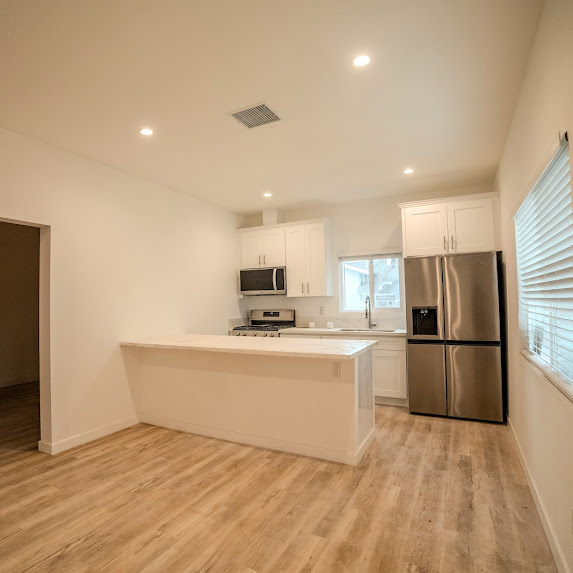
A garage conversion repurposes existing square footage. The structure’s already standing; we come in and make it livable, with proper insulation, flooring, electrical, plumbing, and sometimes a full bathroom build-out. The result can be a rental unit, a space for family, a home office, or a guest suite. It works well. It just has limits that a new build doesn’t.
The Honest Breakdown
- Cost: Garage conversions tend to cost less upfront because the bones are already there, no new foundation, no framing from scratch. That said, some garages haven’t been touched in decades and need serious structural work before we even talk finishes. ADUs cost more to build, but design possibilities are wider, and the long-term return reflects that.
- Timeline: Conversions move faster in most cases. ADUs involve more permitting phases and more coordination. If you need a rental unit producing income within the year, a garage conversion might get you there sooner.
- Design flexibility: ADUs win here. You’re not limited by your garage’s existing footprint. You choose the layout, ceiling height, and orientation. With a conversion, low ceilings or odd dimensions are real constraints that affect how livable the finished space feels.
- Rental income: Detached ADUs consistently command higher rents in Los Angeles because tenants are essentially renting a private home. Garage conversions still generate solid income, but proximity to the main house usually means slightly lower market rates.
- Property value: Both increase it. But long-term, a fully independent ADU adds more to your appraised value because it qualifies as separate housing, and buyers and lenders treat it differently.
So Which One Should You Choose?
If you have outdoor space and your goal is maximizing long-term returns, rental income, appreciation, or future flexibility, an ADU is the stronger investment. It costs more to build, but it earns more and appraises higher.
If your garage is sitting empty, your yard is limited, and you need a practical, faster solution, a conversion makes a lot of sense. You’re working with what’s already there, keeping costs manageable, and still ending up with a legitimate, livable space.
What we tell most homeowners: don’t decide based on what’s cheaper upfront. Decide based on what your property looks like five years from now. LA’s housing demand isn’t going anywhere. The question is which move fits your property best.
Frequently Asked Questions
Do I need a permit to convert my garage in Los Angeles?
Yes. Any garage conversion that creates livable space requires permits through the City of LA’s Department of Building and Safety. Unpermitted conversions create serious problems when you sell or refinance. Don’t skip this step.
Will I lose parking if I convert my garage?
Under current California state law, most properties in Los Angeles are exempt from replacement parking requirements when converting a garage to an ADU or livable space. That said, HOA rules and specific zoning conditions can still apply, so it’s worth verifying for your address before you start.
How long does a garage conversion take compared to building an ADU?
A straightforward garage conversion typically takes 3 to 5 months from permit approval to move-in. A new detached ADU usually runs 6 to 12 months, depending on design complexity and site conditions. Both timelines assume permitting goes smoothly, which is why working with an experienced contractor matters.
Can I rent out a garage conversion legally in LA?
Yes, if it’s permitted and meets California’s habitability standards. That means adequate ceiling height, natural light, heating, and proper egress. A conversion done to code is a legal rental. One done without permits isn’t, and the city has the authority to require you to reverse the work entirely.
Which adds more value to my home: an ADU or a garage conversion?
Generally, a detached ADU adds more appraised value because lenders and appraisers treat it as a separate unit. Garage conversions still add value, but the increase is usually more modest. If resale value is your top priority, an ADU is the better long-term play.
What's the average cost of each in Los Angeles right now?
Garage conversions in LA typically run between $80,000 and $150,000, depending on the scope of work. New detached ADUs generally start around $150,000 and can go higher depending on size, finishes, and site complexity. These are real numbers for 2026, not the low-ball figures you’ll see in generic online articles.
Do I need to move out during construction?
For most garage conversions and detached ADUs, no. Construction happens outside your main living area. There may be brief periods where utilities are interrupted, but most homeowners stay in place throughout the project.