Accessory Dwelling Units (ADUs) have become a popular way for Los Angeles homeowners to maximize their property’s value and create additional living space. Whether you’re planning a guest house, rental unit, or home office, building an ADU in LA requires careful planning to navigate city regulations, design considerations, and budgeting.
This comprehensive guide breaks down everything you need to know about building an ADU in Los Angeles smoothly and successfully, helping you avoid common pitfalls and make informed decisions every step of the way. At Level Up Contractor, we specialize in guiding homeowners through the entire ADU process—from initial concept to final construction—to ensure your project meets all local requirements and exceeds your expectations.
What is an ADU and Why Build One in LA?
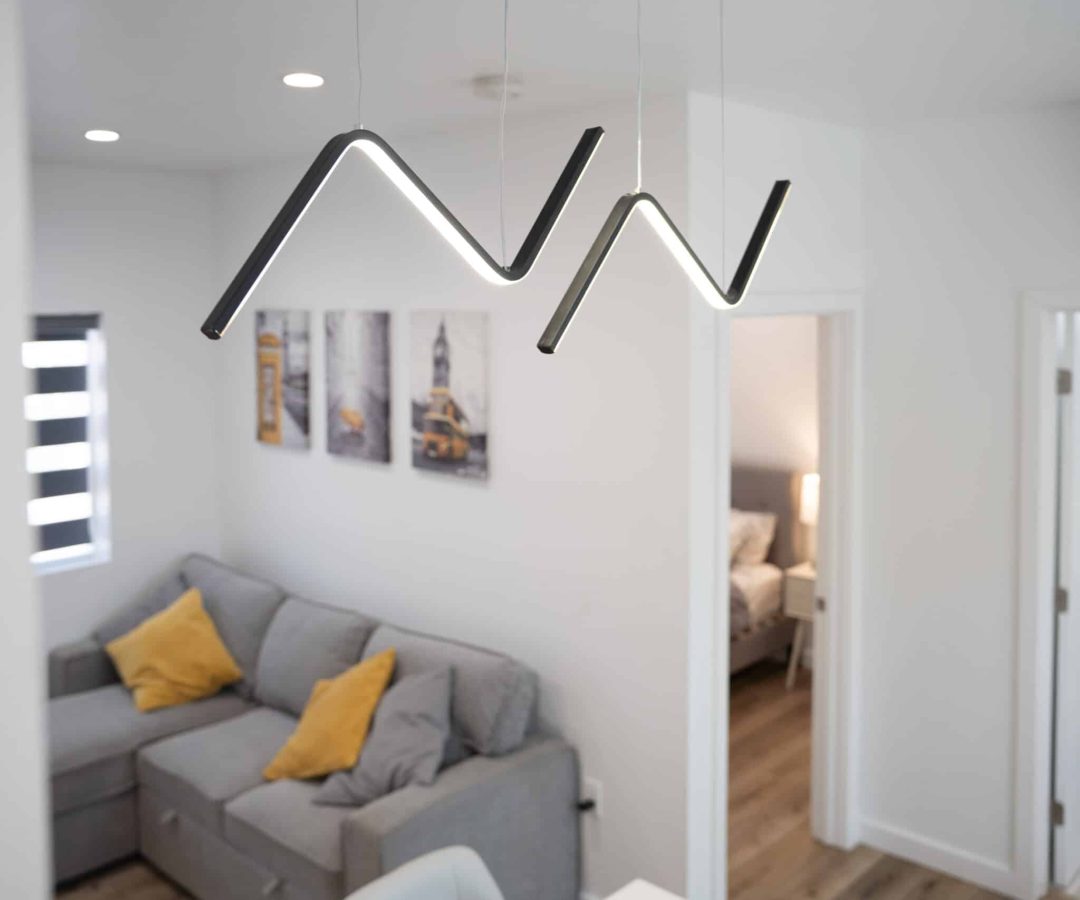
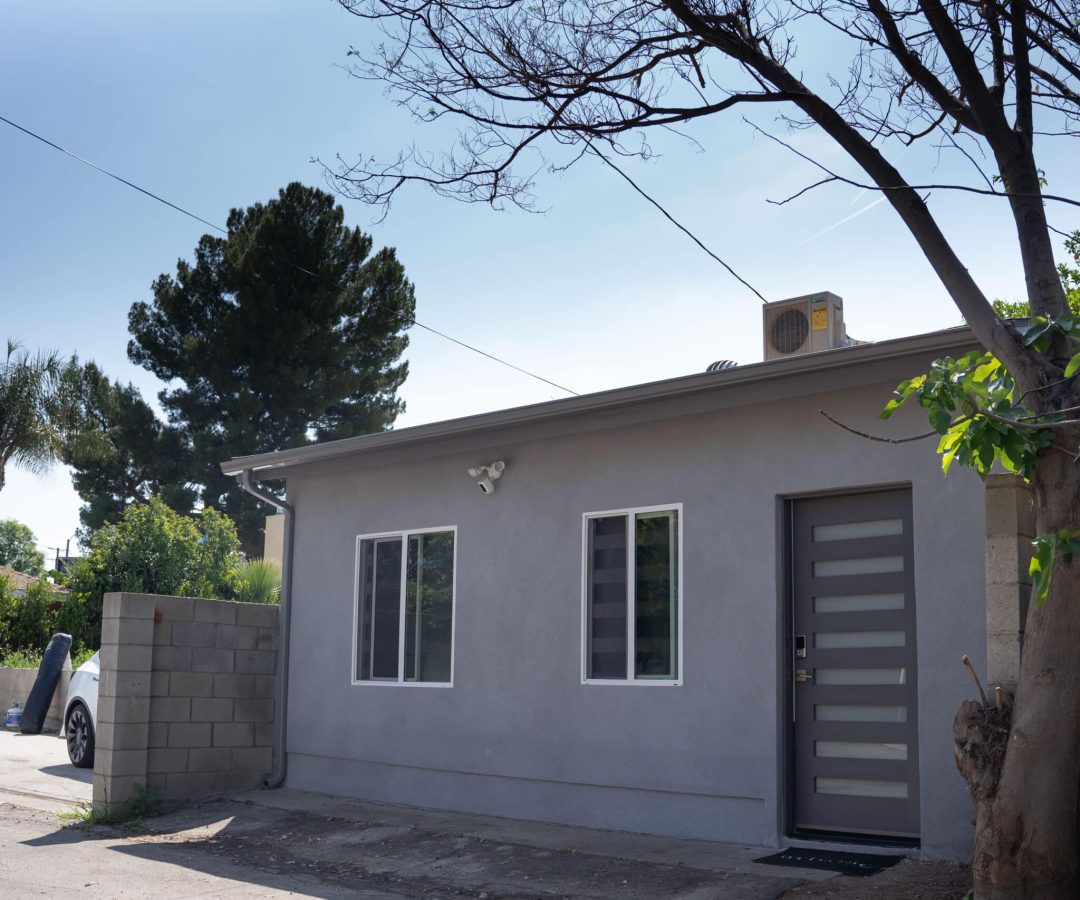
An Accessory Dwelling Unit (ADU) is a secondary housing unit on the same lot as a single-family home. It can be a detached cottage, a converted garage, or an addition attached to the main house.
Benefits of Building an ADU in LA:
- Increase Property Value: ADUs add living space that boosts your home’s market worth.
- Generate Rental Income: Renting out your ADU can provide a steady cash flow.
- Flexible Living Options: ADUs offer space for aging parents, grown children, or home offices.
- Address Housing Shortage: ADUs contribute to LA’s effort to increase affordable housing.
Understanding Los Angeles ADU Regulations
Navigating LA’s ADU regulations is critical to avoid costly delays. The city encourages ADU construction but has specific rules regarding size, setbacks, parking, and design.
- Size Limits: Detached ADUs can be up to 1,200 square feet; attached ADUs vary based on the primary dwelling.
- Setbacks: Generally, ADUs must be set back 4 feet from side and rear property lines.
- Parking: Recent changes reduce parking requirements if your property is near public transit.
- Permitting Process: Obtain permits through the Los Angeles Department of Building and Safety (LADBS).
- California Title 24 Energy Code: ADUs must comply with state energy efficiency standards.
Hiring a professional familiar with local codes helps streamline approvals. Level Up Contractor works directly with LADBS and other regulatory bodies to ensure your plans are approved quickly and without unnecessary delays.
Planning Your ADU Design
Design your ADU to blend seamlessly with your existing property while meeting your needs. Consider:
- Functionality: Is the ADU for guests, renters, or a workspace? Plan rooms and amenities accordingly.
- Aesthetic Integration: Match exterior materials and colors to the main home for cohesive curb appeal.
- Natural Light & Ventilation: Incorporate windows and ventilation for comfort and code compliance.
- Accessibility: Consider universal design features if the unit will house elderly or disabled family members.
The design stage is where experience matters most. Level Up Contractor helps homeowners create ADU layouts that are not only functional and beautiful but also optimized for Los Angeles’ specific zoning and building codes.
Budgeting and Financing Your ADU Project
Costs for ADUs vary widely depending on size, finishes, and site conditions. While pricing is project-specific, here are key budgeting tips:
- Obtain multiple quotes from licensed contractors experienced with ADUs.
- Factor in design fees, permits, and utility connections.
- Explore financing options such as home equity loans, construction loans, or specialized ADU loans.
- Check for local incentives or grants supporting ADU construction in LA.
Working with a trusted contractor like Level Up Contractor can help you stay within budget while still getting the highest quality results. Their team can guide you through cost-saving strategies without compromising design or durability.
Step-by-Step ADU Construction Process
- Initial Consultation: Discuss your goals with an architect or contractor.
- Site Evaluation & Design: Analyze your lot, design the unit, and prepare plans.
- Permitting: Submit plans for city approval.
- Construction: Foundation, framing, roofing, and interior work.
- Inspections: City inspectors review compliance at various stages.
- Final Approval & Occupancy: Once all inspections pass, you receive a certificate of occupancy.
Common Challenges and How to Avoid Them
- Permit Delays: Submit complete, accurate plans and stay in communication with LADBS.
- Unexpected Site Issues: Conduct thorough site surveys to identify challenges early.
- Budget Overruns: Maintain a contingency fund of at least 10–15%.
- Neighbor Concerns: Communicate your plans transparently to avoid disputes.
Maintaining Your ADU
Keep your ADU in great shape with routine maintenance:
- Inspect roofing, plumbing, and HVAC systems regularly.
- Maintain landscaping to prevent moisture issues.
- Stay current on property taxes and rental regulations if leasing.
FAQs
Q: Can I build an ADU if I have a small lot in Los Angeles?
A: Yes, LA allows ADUs on small lots but size and setback limits apply. Consult LADBS for specifics.
Q: How long does the ADU permitting process take in LA?
A: Permitting timelines vary but typically range from 60 to 120 days depending on project complexity.
Q: Are there any restrictions on who can live in my ADU?
A: Generally, ADUs can be rented or used by family members, but short-term rentals may be restricted by local laws.
Q: Can I build an ADU over my garage?
A: Yes, garage conversions or above-garage ADUs are common but must meet structural and code requirements.
Q: Are solar panels required for ADUs in Los Angeles?
A: Per California Title 24, solar may be required depending on unit size and new construction rules.