Recovering from a fire can be one of the most emotional and overwhelming experiences a homeowner can face. Beyond the loss of property, there’s the daunting task of cleaning up, filing insurance claims, and rebuilding your home safely.
In Los Angeles—where wildfires like the recent Pacific Palisades fire have left many families displaced—choosing the right contractor is one of the most important decisions you’ll make during recovery. Hiring a qualified, licensed, and experienced contractor can make the difference between a smooth rebuild and months of costly frustration.
This guide will walk you through everything you need to know when selecting a fire restoration contractor in Los Angeles, including how to navigate building codes, permits, and essential qualifications.
1. The Unique Challenges of Rebuilding After a Fire
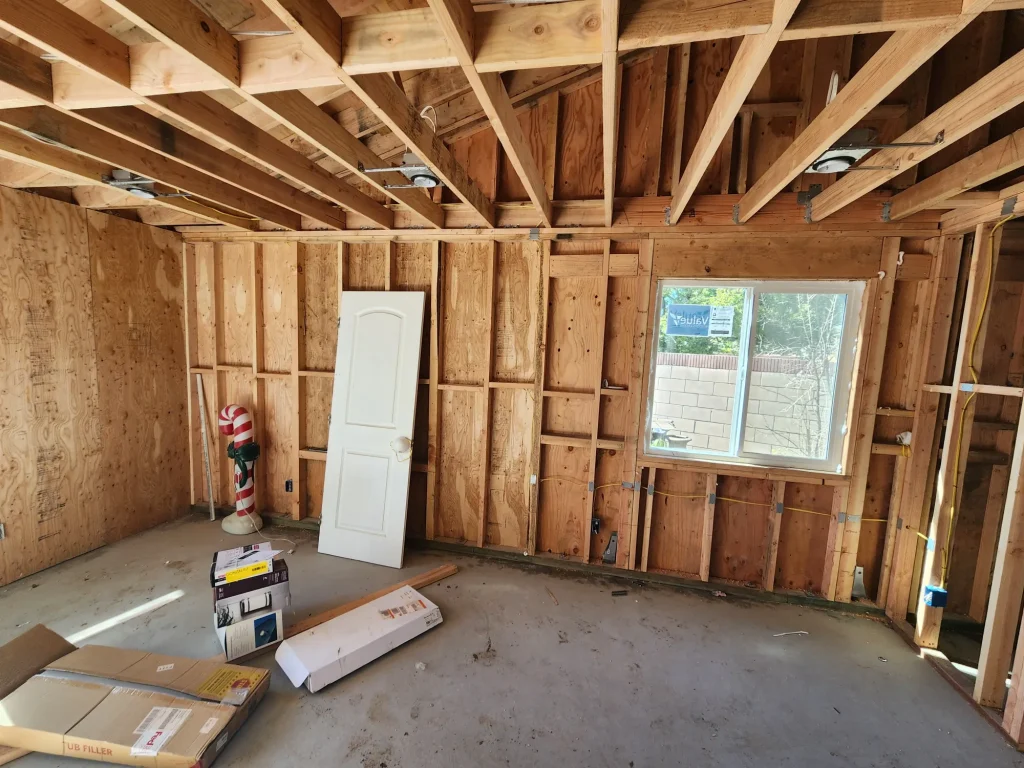
Rebuilding after a fire isn’t like a standard home remodel. Fire damage affects not only visible surfaces but also hidden structures like framing, electrical systems, and insulation. Smoke and soot can penetrate walls, ceilings, and ventilation systems, requiring specialized remediation before any reconstruction can begin.
For homeowners affected by the Pacific Palisades fire, the process also involves navigating strict City of Los Angeles Department of Building and Safety (LADBS) regulations, wildfire zone restrictions, and Title 24 California Energy Standards that must be met before reoccupying the property.
A general remodeling contractor may not have the expertise to handle these complexities. That’s why hiring a fire damage restoration specialist—like Level Up Contractor—is crucial for ensuring your home is rebuilt safely, efficiently, and to code.
2. Verify Licensing, Insurance, and Certifications
Always start by confirming that your contractor is fully licensed and insured in California. You can verify this with the Contractors State License Board (CSLB). A legitimate Los Angeles fire damage contractor should have:
- A valid California general contractor’s license
- Worker’s compensation and liability insurance
- Fire restoration training or certification (e.g., IICRC Fire & Smoke Restoration Technician)
This protects you from potential liability and ensures that all work meets Los Angeles building codes and LADBS inspection requirements.
Working with a trusted company like Level Up Contractor ensures every step of the rebuild—from cleanup to reconstruction—is handled by professionals who understand the legal, structural, and safety requirements involved.
3. Choose a Contractor Experienced with Fire Damage and Insurance Coordination
Fire recovery projects require more than just construction skills—they demand deep knowledge of insurance processes. A good contractor will help you document damages, prepare detailed estimates, and work directly with your insurance adjuster to streamline approvals.
Experienced fire restoration contractors also understand how to balance repair and replacement decisions based on coverage limits. They’ll ensure every dollar from your insurance claim goes toward restoring your home efficiently and effectively.
Level Up Contractor has helped numerous Los Angeles homeowners rebuild after fire damage by providing transparent estimates, supporting insurance claims, and staying compliant with all state and city regulations.
4. Understand Los Angeles Fire Safety Codes and Rebuild Requirements
Rebuilding after a fire means your home must meet modern construction and fire safety standards, which may be stricter than when your home was originally built.
Some key requirements include:
- Fire-resistant materials: Roofing, siding, and decking must meet fire-resistance ratings approved by LADBS.
- Defensible space landscaping: Homes in wildfire zones (like Pacific Palisades and Malibu) must maintain a safe buffer zone with minimal flammable vegetation.
- Title 24 compliance: All rebuilds must adhere to California Energy Standards, ensuring energy-efficient lighting, insulation, and HVAC systems.
An experienced contractor will know how to incorporate these codes seamlessly into your design—so your new home is both fire-safe and energy-efficient.
5. Ask About the Rebuild Process and Timeline
Before signing any agreement, ask your contractor to explain their step-by-step rebuilding process. A qualified company should provide a clear plan that includes:
- Site Assessment: Evaluating structural damage, debris removal, and soil stability.
- Permit Acquisition: Managing approvals through the City of Los Angeles Department of Building and Safety.
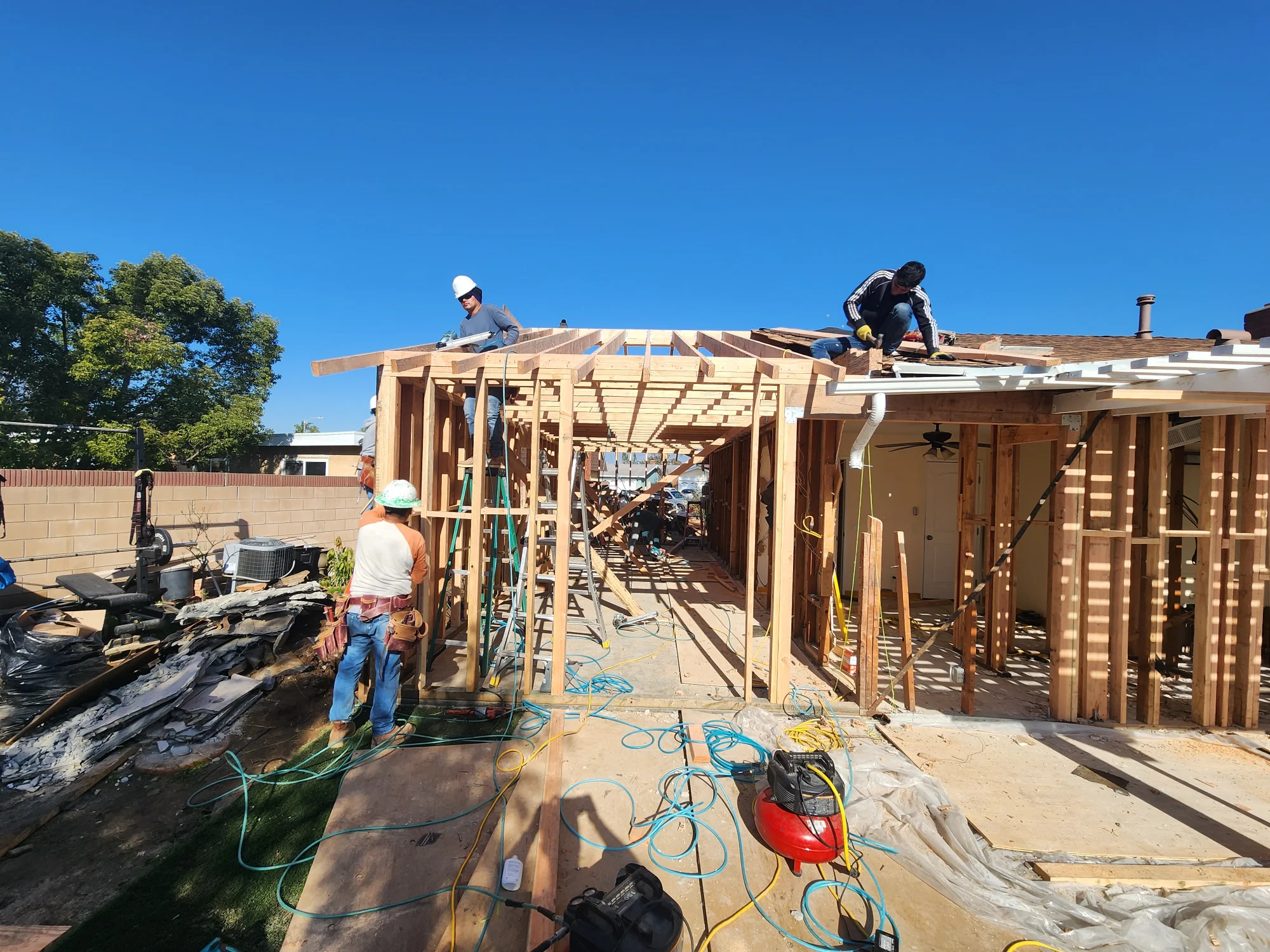
- Structural Repairs: Replacing framing, roofing, and foundational elements.
- Remodeling & Finishing: Installing new interiors, fixtures, and fire-resistant materials.
While rebuild timelines vary depending on the severity of damage, expect the process to take several months from demolition to final inspection. Working with an experienced team like Level Up Contractor ensures efficiency without cutting corners.
6. Compare Bids Carefully
It’s wise to get multiple estimates—but beware of quotes that seem too good to be true. After a disaster, some unlicensed contractors may offer suspiciously low prices, only to disappear midway or deliver substandard work.
Look for transparency in bids, including:
- Detailed labor and material costs
- Permitting and inspection fees
- Clear timelines and payment schedules
A reputable contractor will explain every line item and never pressure you to make quick decisions.
7. Visit Ongoing or Completed Projects
Seeing your contractor’s work firsthand provides valuable insight into their craftsmanship and professionalism. Ask to tour current or completed fire recovery projects in the Los Angeles area.
Pay attention to details like material quality, cleanliness of the job site, and client satisfaction. Real results speak louder than promises.
8. Evaluate Communication and Trust
After a disaster, clear communication becomes even more important. You’ll want a contractor who is responsive, transparent, and empathetic. Rebuilding your home isn’t just about construction—it’s about restoring peace of mind.
Choose a team that treats your home as their own, keeps you updated, and works collaboratively to bring your vision to life. Contractors like Level Up Contractor emphasize client relationships as much as craftsmanship, ensuring homeowners feel supported throughout the entire rebuild.
9. Plan for Fire-Resistant Upgrades
A fire rebuild offers an opportunity to design smarter and safer. Consider upgrading materials and systems to better withstand future fires.
Here are some common fire-resistant upgrades to discuss with your contractor:
- Non-combustible siding: Fiber cement or stucco instead of wood.
- Class A roofing: Metal or tile roofing for superior ember protection.
- Tempered glass windows: Reduces the chance of heat-induced cracking.
- Ember-resistant vents: Prevents wind-blown embers from entering attics or crawl spaces.
- Fire-smart landscaping: Gravel borders, stone patios, and fire-resistant plants.
These upgrades not only improve safety but can also boost property value and lower insurance premiums.
10. Prepare for Inspections and Final Approval
Before reoccupying your home, the City of Los Angeles Department of Building and Safety must inspect and approve all completed work. Your contractor should coordinate these inspections and promptly address any corrections required.
A professional team will ensure your home passes every inspection—meeting both Title 24 Energy Standards and LADBS safety codes.
Final Thoughts
Rebuilding after a fire in Los Angeles, especially after incidents like the Pacific Palisades fire, can feel overwhelming—but with the right contractor, it becomes a structured, manageable process.
By verifying licensing, ensuring Title 24 compliance, and partnering with an experienced contractor like Level Up Contractor, you can rebuild stronger, safer, and smarter. Their expertise in fire restoration, insurance coordination, and energy-efficient design ensures your new home not only meets modern standards but gives you lasting peace of mind.
Disaster may have taken your home—but it doesn’t have to take your hope. With the right team by your side, you can turn loss into renewal and create a future-ready home that stands resilient against whatever comes next.