Los Angeles is known for its beautiful homes, sunshine, and scenic neighborhoods—but it’s also an area prone to seismic activity. Earthquakes are a natural risk in Southern California, and when remodeling a home, safety should be a top priority. Smart remodeling choices can protect your family, preserve your property, and even add long-term value.
At Level Up Contractor, we specialize in remodeling Los Angeles homes with both aesthetics and structural safety in mind. Our approach integrates earthquake-resistant design principles, modern engineering techniques, and local code compliance to ensure your remodel is both beautiful and secure. Below, we explore the key strategies for designing earthquake-resilient homes during remodeling projects.
Understanding Earthquake Risks in Los Angeles
California sits on the Pacific Ring of Fire, a region known for seismic activity. Los Angeles, in particular, experiences frequent minor tremors, and while major earthquakes are less common, their potential impact is significant. Remodeling your home without considering seismic safety can lead to:
- Structural damage during a quake
- Increased repair costs
- Safety hazards for occupants
- Higher insurance premiums
Taking preventative measures during remodeling helps mitigate these risks and ensures long-term peace of mind.
Prioritize Structural Integrity
The foundation and framing of your home are critical when it comes to earthquake resilience. Remodeling projects offer the perfect opportunity to reinforce structural elements:
1. Foundation Reinforcement
Older homes may have foundations that predate current seismic codes. Consider:
- Retrofitting the foundation with anchor bolts
- Installing reinforced concrete footings
- Adding steel braces or piers to support weak areas
2. Framing Strengthening
Wood-framed houses are common in Los Angeles. Strengthening walls and roof framing can reduce the risk of collapse: - Add shear walls to resist lateral movement
- Install cross-bracing in key areas
- Ensure proper nailing patterns and structural connections
A professional contractor or structural engineer can evaluate your current structure and recommend the most effective upgrades.
Seismic-Safe Design Choices
Remodeling allows homeowners to incorporate earthquake-resistant design choices throughout the home:
Open Floor Plans vs. Load-Bearing Walls
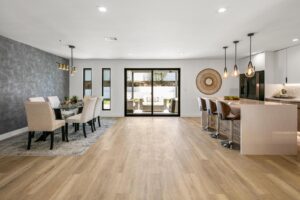
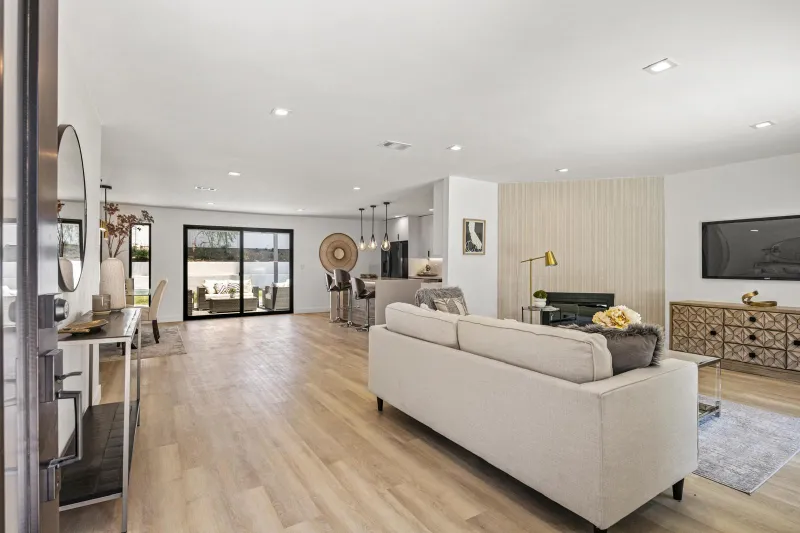
While open layouts are popular, removing load-bearing walls without proper reinforcement can be dangerous in seismic zones. Solutions include:
- Installing steel or engineered wood beams to replace load-bearing walls
- Limiting large openings in critical structural areas
- Consulting a structural engineer before major removals
Roof and Attic Considerations
Heavy roof materials can increase earthquake risk. Consider: - Using lightweight roofing materials such as metal or composite shingles
- Reinforcing the attic floor and roof connections
- Ensuring trusses and rafters are securely anchored
Safe Room Placement
Designing rooms for safety can save lives during a quake: - Avoid placing bedrooms in areas with weak structural support
- Reinforce walls in bathrooms and bedrooms for added protection
- Keep exit paths clear and accessible
Retrofitting and Modern Materials
Modern materials and retrofitting techniques make homes safer without sacrificing design:
- Shear Panels: Engineered panels added to walls resist lateral forces.
- Flexible Materials: Wood, steel, and engineered composites flex under stress instead of breaking.
- Anchored Fixtures: Cabinets, shelves, and appliances should be secured to walls and floors to prevent injury.
Remodeling is the ideal time to integrate these solutions because walls, floors, and ceilings are already exposed during construction.
Utility Upgrades for Safety
Earthquakes can damage utilities, increasing risk of fire or flooding. Remodeling provides the opportunity to upgrade critical systems:
- Gas Lines: Flexible gas lines reduce rupture risk.
- Water Lines: Modern piping materials minimize leaks during tremors.
- Electrical Systems: Ensure wiring is up to code and circuits are protected with modern breakers.
Well-planned utility upgrades not only improve earthquake safety but also enhance efficiency and reliability.
Landscaping and Exterior Considerations
Seismic safety extends beyond the interior of your home. Thoughtful exterior remodeling helps protect property and residents:
- Retaining Walls: Reinforce or rebuild retaining walls to prevent collapse during tremors.
- Hardscape Anchoring: Secure outdoor structures such as pergolas, decks, and pools.
- Safe Outdoor Zones: Avoid placing heavy or unstable objects near living areas or exit paths.
Outdoor remodeling decisions can significantly affect both safety and long-term maintenance.
Emergency Planning Integration
Remodeling is also a chance to design with emergency preparedness in mind:
- Include storage for emergency supplies such as food, water, and first-aid kits.
- Plan accessible evacuation routes from all rooms.
- Install emergency lighting and backup power options.
A home designed with earthquakes in mind is safer, more functional, and ready for any scenario.
Working With the Right Contractor
Not all contractors have experience with seismic remodeling. When choosing a contractor, ensure they have:
- Knowledge of Los Angeles building codes and seismic safety standards
- Experience with retrofitting and structural reinforcement
- Access to structural engineers and certified specialists
- Clear project timelines and transparent cost estimates
At Level Up Contractor, we combine design expertise with structural knowledge to remodel homes that are safe, stylish, and compliant.
Final Thoughts
Remodeling a Los Angeles home is an opportunity to combine modern design with essential safety upgrades. By prioritizing earthquake-resistant structures, choosing safe materials, reinforcing utilities, and planning for emergencies, homeowners can enjoy both peace of mind and improved property value.
Whether it’s a small renovation or a full remodel, integrating seismic safety into your project ensures your Los Angeles home is prepared for the future while maintaining comfort, style, and functionality.