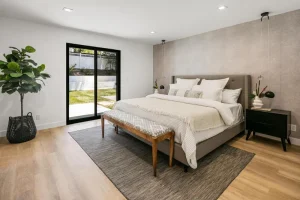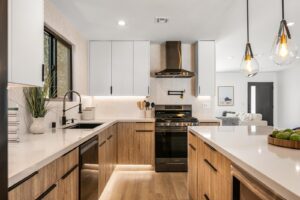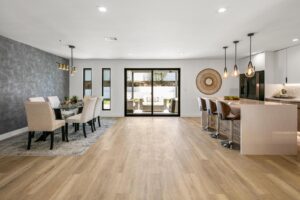
Wildfires have become an undeniable reality in Los Angeles. Each year, families across the region face the risk of losing their homes to flames driven by dry conditions, strong winds, and the ever-present fuel of Southern California’s natural landscape. While restoration after a fire is critical, forward-thinking homeowners are now asking an even more important question: How can we design homes that better withstand future wildfires?
At Level Up Contractor, we believe rebuilding shouldn’t just mean replacing what was lost—it should mean building smarter, stronger, and safer. Fire-resistant design is no longer an optional upgrade; it’s an essential part of protecting your investment and your family’s safety.
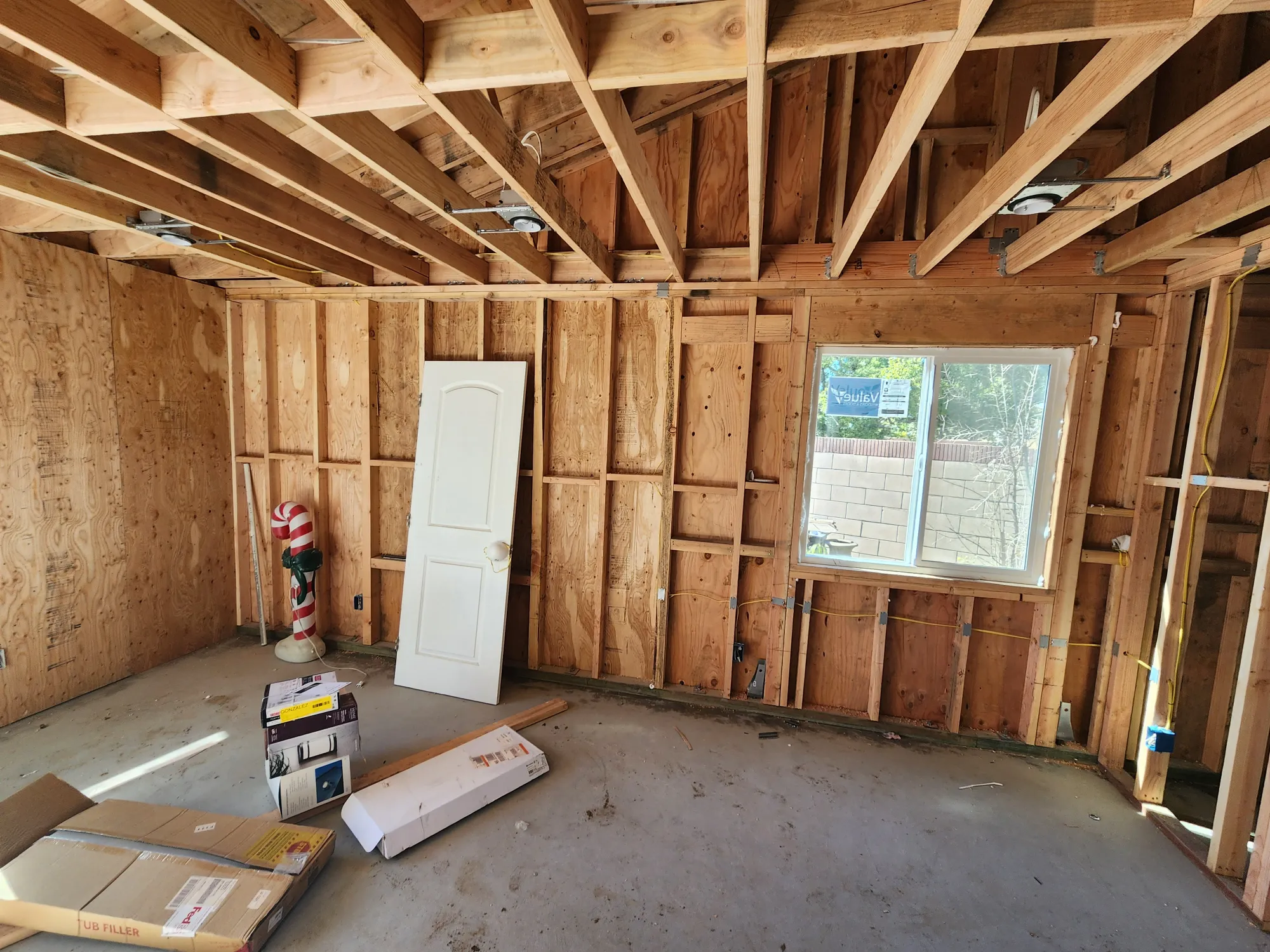
Why Fire-Resistant Design Matters in Los Angeles
Los Angeles sits at the intersection of urban development and wildfire-prone terrain. Communities like Brentwood, Pacific Palisades, Woodland Hills, and Malibu are particularly vulnerable due to their location in the Wildland-Urban Interface (WUI), where city life meets open brushland.
Traditional building methods aren’t enough to withstand modern fire threats. Ember storms, high winds, and radiant heat can destroy homes even when flames never directly touch the structure. Fire-resistant design addresses these threats by focusing on every detail—from roofing and siding to landscaping and ventilation.
Core Principles of Fire-Resistant Home Design
Designing a fire-resistant home involves more than just choosing the right materials. It’s a layered approach that includes construction techniques, landscape planning, and interior systems. Here are some key strategies:
1. Fire-Resistant Building Materials
Choosing the right exterior materials is one of the most effective defenses against wildfires. Non-combustible options such as fiber-cement siding, stucco, concrete, and treated wood significantly reduce the risk of ignition. Roofing materials are equally important—ember-resistant tiles, metal, or composite shingles outperform traditional wood shakes in high-risk areas.
2. Ember Protection
Studies show that most homes ignite during wildfires because of embers, not direct flames. Installing ember-resistant attic vents, sealing gaps in siding, and using double-paned tempered glass windows prevents embers from entering and igniting the interior.
3. Defensible Space Landscaping
A home’s surroundings are just as critical as the structure itself. Defensible space is the buffer zone between your home and surrounding vegetation. Using gravel, stone walkways, and fire-resistant plants can slow the spread of fire and give firefighters a safer perimeter to defend.
4. Fire-Safe Layouts and Additions
When rebuilding or remodeling, layout choices can make a big difference. Limiting complex rooflines, avoiding overhangs that trap embers, and designing decks with fire-resistant materials all strengthen your home’s defense.
Compliance with LA Codes
California has some of the strictest building codes in the nation, and for good reason. Title 24, City of Los Angeles Department of Building and Safety, and California Energy Standards ensure that all construction meets energy efficiency and safety requirements. At Level Up Contractor, we handle all permit processes, schedule inspections, and make sure every aspect of your remodel is done by code, giving you peace of mind.
Fire-Resistant Design as an Investment
While fire-resistant construction may involve higher upfront costs compared to traditional methods, the long-term benefits far outweigh the expense. Homes built with fire safety in mind:
- Retain higher property values in fire-prone areas.
- Lower insurance premiums by meeting or exceeding code requirements.
- Provide peace of mind to homeowners and families living in high-risk zones.
For those planning to sell in the future, fire-resistant upgrades are increasingly attractive to buyers who understand the risks of Southern California living.
Remodeling Opportunities: Where to Start
Even if you’re not rebuilding after a wildfire, remodeling presents the perfect opportunity to integrate fire-resistant features. Common projects include:
- Roof replacements with ember-resistant materials.
- Window and door upgrades to double-paned tempered glass.
- Siding renovations using non-combustible cladding.
- Outdoor living space redesigns with fire-resistant decks and patios.
- Landscaping updates to create defensible space.
By tackling these upgrades during a remodel, you strengthen your home without waiting for a disaster to force a rebuild.
Level Up Contractor: Building Beyond Restoration
At Level Up Contractor, we take a proactive approach to construction. Our team doesn’t just rebuild homes—we future-proof them. From design consultations to material selection and full project management, we guide homeowners through every step of creating a fire-resistant property.
We’ve worked with families across Los Angeles County who wanted more than just a quick fix after fire damage in areas like Pacific Palisades. They wanted resilience. They wanted to protect their loved ones and investments from future threats. And with the right planning and expertise, that’s exactly what we delivered.
Final Thoughts
Rebuilding after a wildfire is never easy—but it’s also an opportunity to create something stronger, safer, and more lasting. Fire-resistant design isn’t just about materials; it’s about a mindset that prioritizes safety, sustainability, and resilience.
Whether you’re starting from the ground up after a fire or simply upgrading your existing home, the right contractor makes all the difference. At Level Up Contractor, we’re committed to helping Los Angeles homeowners go beyond restoration and toward a future where their homes are ready for whatever comes next.